26 October 2026 · 10 min read · JDM Rental Japan
JDM Rental Insurance in Japan: What to Check Before Booking
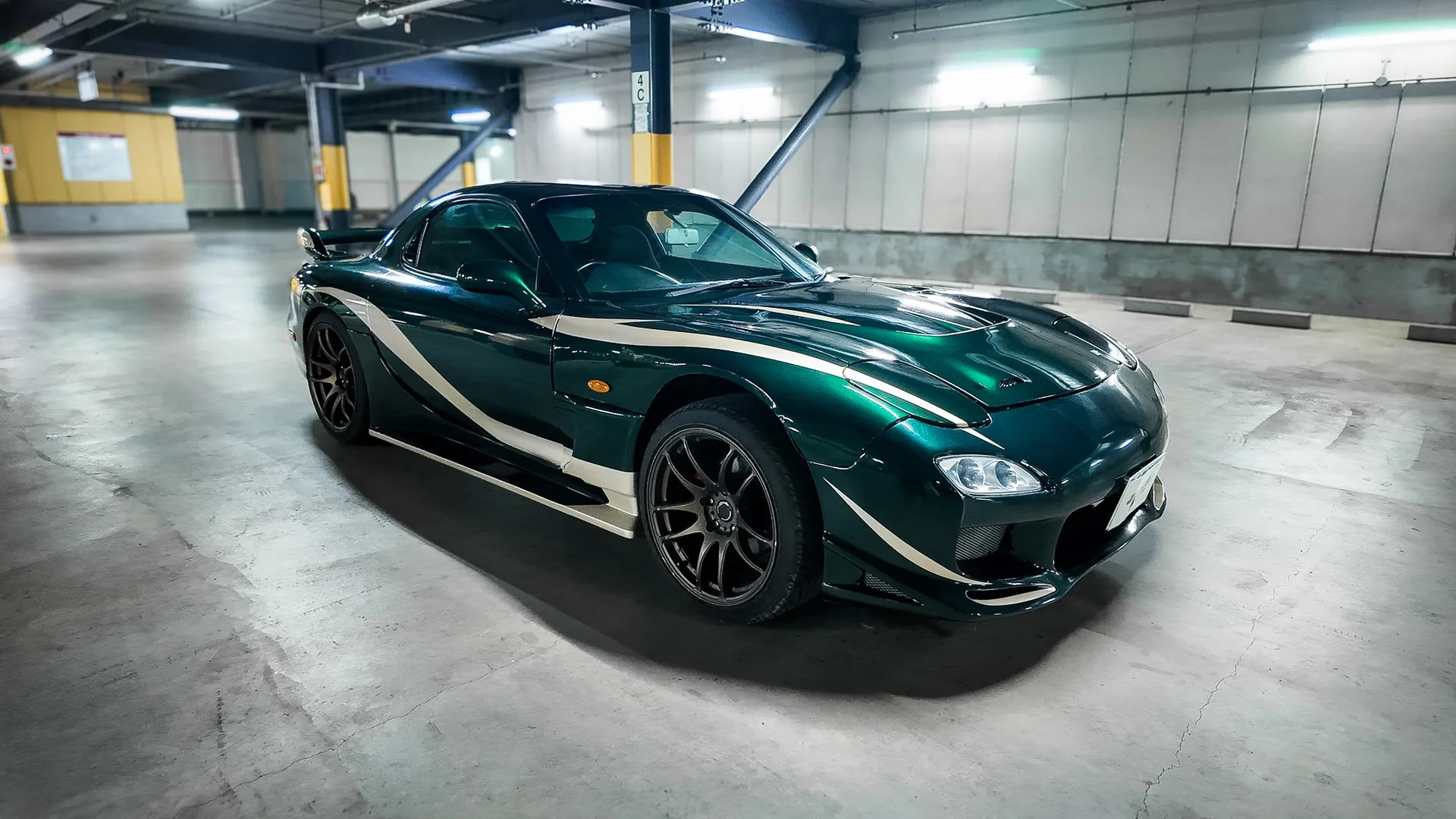
You’ve found the Skyline, Supra, or RX-7 you want to rent in Japan. The daily price works for your budget, and the car is available on your preferred dates. But before making a payment, there’s another question worth answering: what happens if you damage it?
A scratched bumper, damaged wheel, or accident could involve more than the cost of repairing the car. Depending on the rental agreement, you may also be responsible for an insurance excess or charges while the vehicle is unavailable for rent.
Understanding JDM rental insurance in Japan means knowing what your insurance covers, how the security deposit works, and which costs you might face if something goes wrong.
Here’s what to check before booking with JDM Rental Japan.
What does JDM rental insurance cover in Japan?
Not all rental insurance covers the same things. Protection for damage to another person’s property is different from coverage for the vehicle you’re renting.
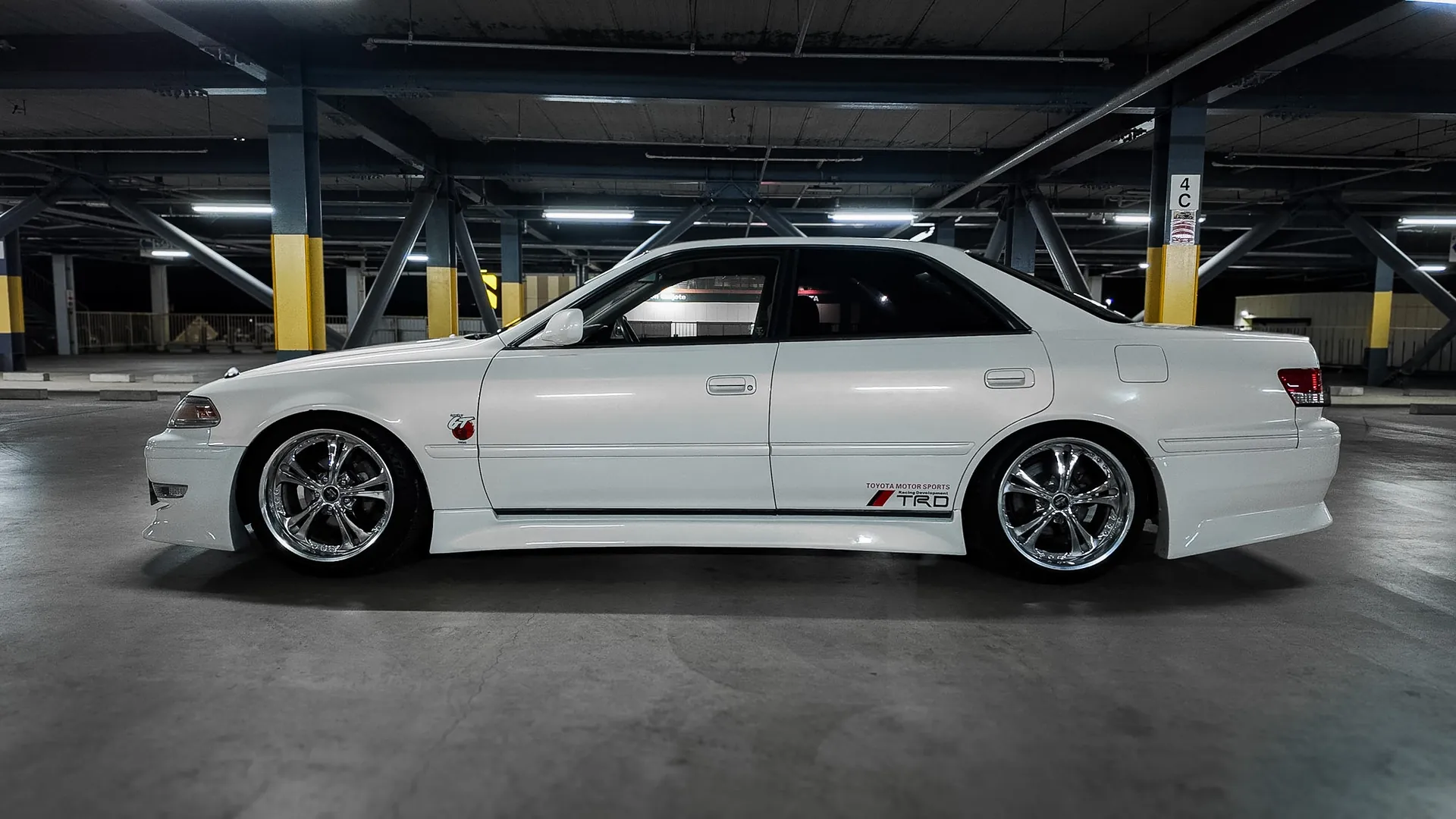
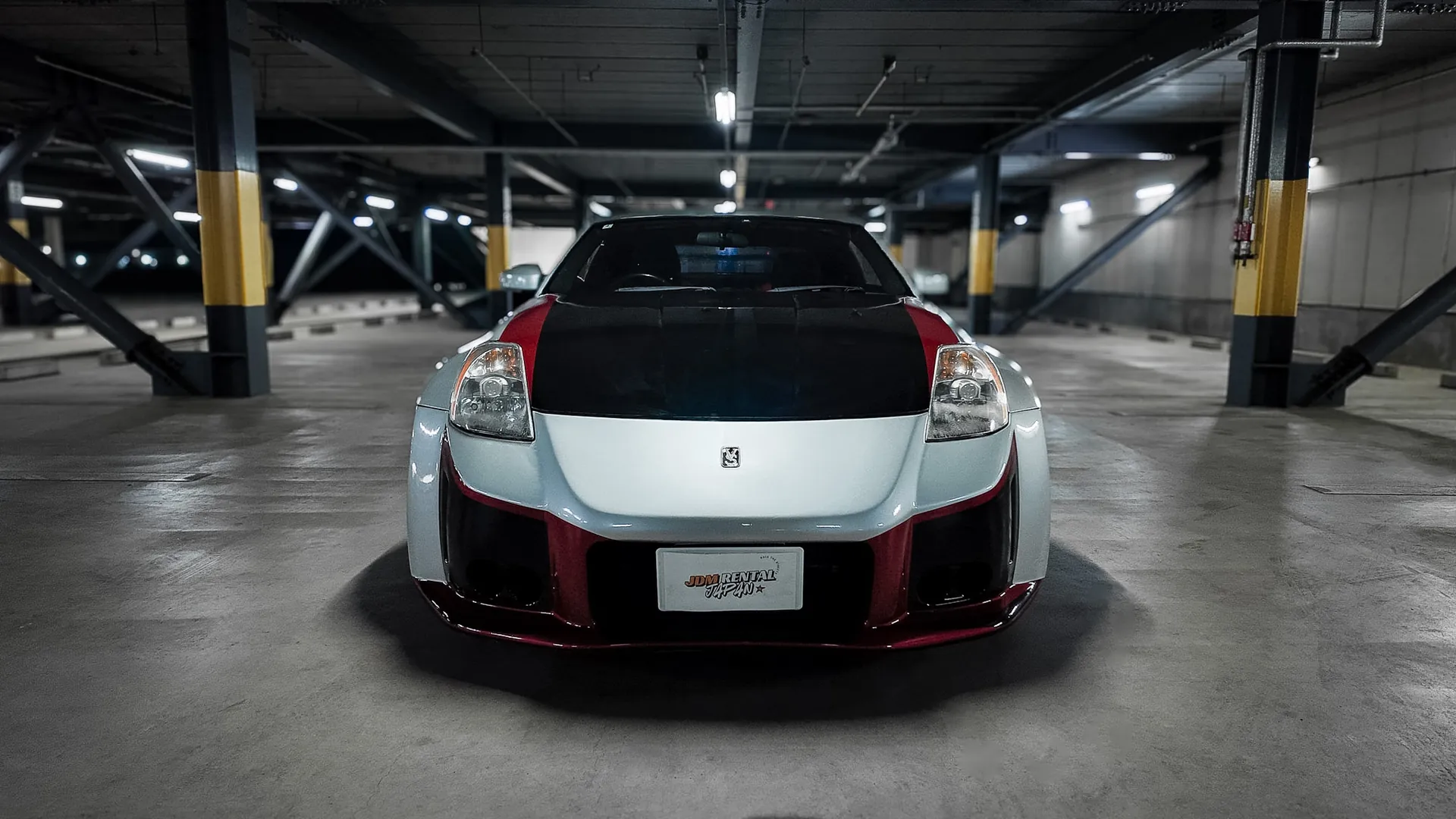
That distinction is particularly important when renting Japanese performance cars with modified bodywork or specialist components.
Third-party liability vs rental vehicle damage
Third-party liability insurance generally covers qualifying claims involving injuries to other people or damage to their property.
Vehicle damage protection concerns the rental car itself.
For example, if an accident damages another vehicle and the front bumper of your rented Skyline, different parts of the insurance arrangement may apply.
JDM Rental Japan’s published Terms & Conditions state that compulsory third-party liability insurance is included, while collision and theft protection may be included with a deductible.
However, its separate Insurance Policy says insurance must be purchased during booking.
These statements do not clearly establish which insurance components are included in the advertised price and which require an additional payment.
Before confirming a reservation, ask the rental company to identify the coverage included with your selected vehicle and any insurance that must be purchased separately.
You can read the JDM Rental Japan insurance policy for the company’s published coverage information.
Don’t assume that having insurance means every type of damage or incident is covered.
What does the ¥300,000 insurance excess mean?
An insurance excess, also called a deductible, is the amount a renter may be responsible for under an eligible insurance claim.
JDM Rental Japan’s Insurance Policy publishes an excess of ¥300,000 per incident.
That doesn’t mean every accident automatically results in a ¥300,000 charge. It also doesn’t establish an unconditional limit on everything a renter could owe.
Your actual responsibility depends on the nature of the incident, the insurance coverage, exclusions, and the rental agreement.
For example, JDM Rental Japan’s terms identify circumstances where a renter may be fully responsible for damage, including prohibited driving, unreported accidents, or allowing an unauthorized person to drive.
Charges relating to vehicle downtime may also apply.
The important thing to remember is that the insurance excess and refundable security deposit are different. One concerns liability under an insurance arrangement; the other is money held against possible rental charges.
Is collision damage waiver available for JDM sports cars?
Collision Damage Waiver, commonly known as CDW, is a term you’ll often see when comparing rental cars.
A CDW generally reduces certain financial responsibilities for vehicle damage, depending on the waiver’s conditions.
However, it isn’t necessarily the same as comprehensive insurance, and it doesn’t automatically eliminate every charge.
Some waivers exclude damage involving wheels, tires, glass, underbody components, or prohibited driving. Non-Operational Charges may also remain payable.
JDM Rental Japan’s Terms & Conditions mention optional waivers if offered, but its published information does not clearly confirm whether CDW is currently available for all vehicles.
If you’re considering CDW for a sports car rental, ask whether an excess-reduction option is available for your specific car.
You’ll want to know what it covers, which exclusions apply, and whether it reduces any downtime charges.
The exact terms matter more than the name of the protection product.
How do JDM rental deposits work in Japan?
A security deposit is not an insurance payment.
It’s an amount reserved on your card to cover possible charges during or after the rental.
If you’re visiting Japan from overseas, this is worth understanding because a deposit can temporarily reduce your available credit.
How much is the security deposit?
JDM Rental Japan’s FAQ describes a ¥100,000 deposit hold.
However, its Terms & Conditions state that the deposit can vary depending on the vehicle and season. Higher-value vehicles may also have additional payment requirements.
For that reason, don’t assume every Skyline, Supra, RX-7, or GT-R has the same deposit.
The final amount should be confirmed for the particular vehicle you’re booking.
JDM Rental Japan requires a credit card in the renter’s name and states that cash isn’t accepted for security deposits.
The deposit is generally pre-authorized, meaning the amount is temporarily reserved against your available credit.
For example, if your card receives a ¥100,000 authorization, that amount may become unavailable for other spending until the hold is released.
The security deposit is separate from your daily rental charge, but you still need enough available credit to cover it.
If you’re working out the wider cost of your trip, our guide to JDM car rental costs in Japan covers rental rates and other travel expenses.
When will the security deposit be released?
JDM Rental Japan’s FAQ gives an approximate deposit-hold period of 7–28 days.
The actual timing can depend on the rental’s completion, outstanding charges, and your card issuer.
When you return the car, the rental team checks its condition.
The company’s Terms & Conditions also allow a supplementary inspection within 24–48 hours if darkness or weather prevents a complete inspection at return.
If no further charges apply, the remaining authorization is released through the applicable process.
A released card authorization is not necessarily processed in the same way as a refund of a completed payment.
If your deposit remains unavailable beyond the expected period, contact the rental company and your card issuer for clarification.
Can damage charges exceed your deposit?
Yes. The security deposit isn’t necessarily the maximum amount you’re responsible for.
JDM Rental Japan’s terms allow the deposit to be applied toward charges such as damage, fines, tolls, cleaning, and loss of use.
If the amount owed exceeds the deposit, additional payment may be required.
Consider a simple example.
Suppose a renter has a ¥100,000 deposit authorization and is involved in an accident.
The applicable insurance arrangement has a published excess of ¥300,000 per incident.
The ¥100,000 deposit doesn’t automatically limit the renter’s responsibility to that amount. Depending on the claim, the applicable deductible, exclusions, and separate downtime charges could affect the final amount owed.
This is an illustrative situation, not a calculation of what JDM Rental Japan would charge for a particular incident.
It shows why deposits and insurance liability need to be understood separately.
What happens if you damage a JDM rental car?
Not every incident involves a major collision.
Scratches, damaged wheels, or contact with a low bumper can also create repair costs.
With modified Japanese performance cars, the type of component and the work required to repair it can make a difference.
Scratches, body kits, wheels, and modified parts
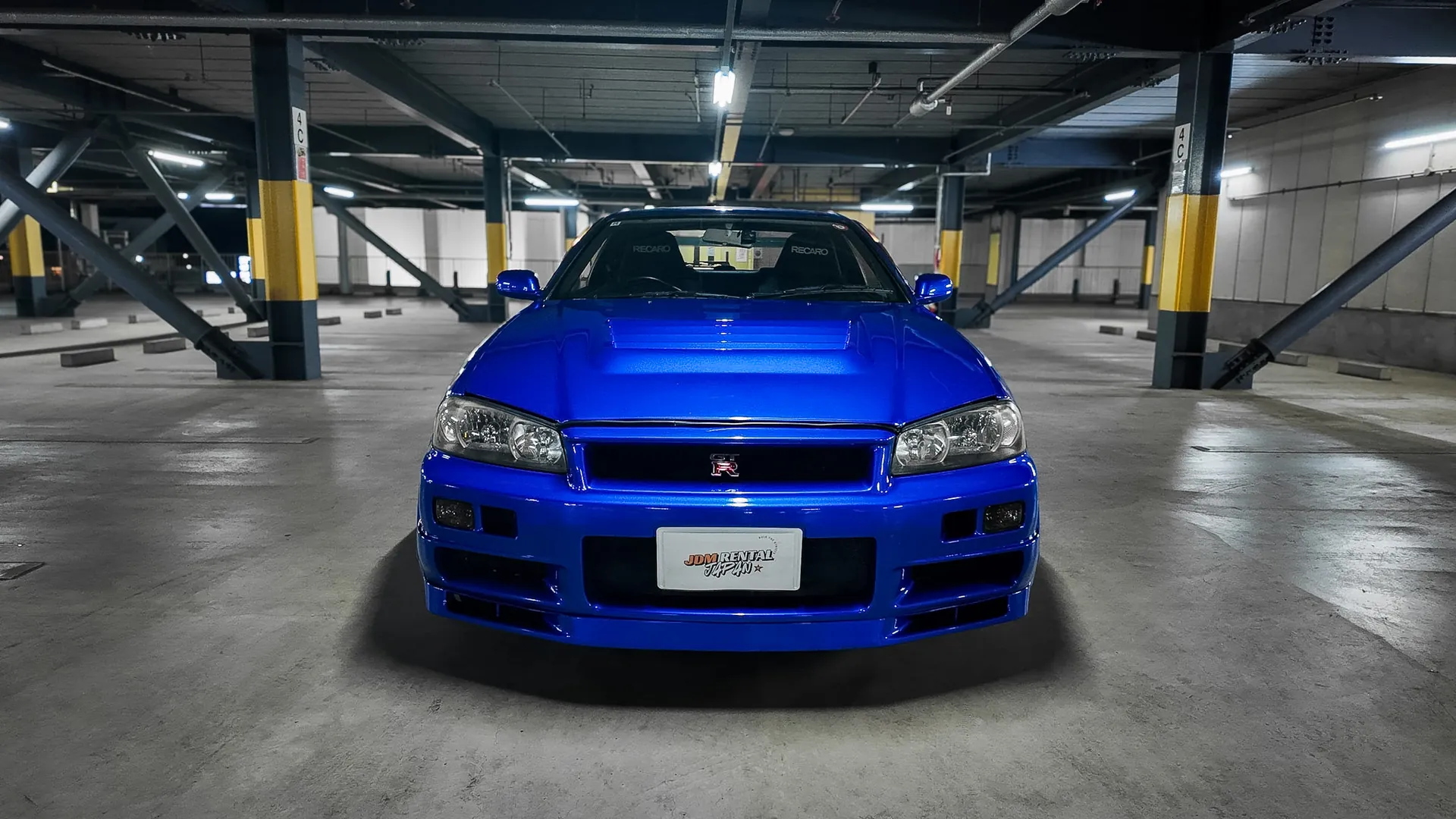
Imagine you’re parking a Skyline R34 with aftermarket bodywork and accidentally scrape the front bumper against a steep parking entrance.
The visible damage might appear small, but the repair could involve custom paintwork or parts that aren’t readily available.
JDM Rental Japan’s Insurance Policy explains that its modified vehicles may require specialist repair facilities and replacement components that can be expensive or difficult to obtain.
This doesn’t mean every minor scratch results in a large bill. Repair costs depend on the actual damage and the work required.
The company’s Terms & Conditions also identify restrictions involving wheels, tires, and glass, which may not be included in basic protection.
Before driving away, inspect the vehicle with the rental team.
Pay particular attention to the bumpers, lower body panels, wheels, and any existing scratches.
Take clear photographs and make sure pre-existing damage is recorded on the inspection document.
When returning the vehicle, participate in the inspection and ask for clarification if any new damage is identified.
Keeping an accurate condition record can help prevent misunderstandings.
Are JDM rental cars insured on snowy or icy roads?
If you’re visiting Japan during winter, check your planned driving route carefully.
JDM Rental Japan’s Insurance Policy prohibits using its modified JDM cars in snowy environments.
The policy explicitly excludes accidents occurring on snowy roads, icy roads, and slippery mountain passes.
It also states that if a customer drives in snow and an accident occurs, insurance becomes void and the renter is responsible for all damage and towing costs.
This matters if you’re planning to visit mountainous regions or destinations where snow and ice are possible during your trip.
Don’t assume that purchasing insurance means you can drive a modified JDM car in winter conditions.
Check the weather, road conditions, and restrictions before your rental. If your planned route involves prohibited snowy or icy conditions, choose a different route or make alternative transport arrangements.
For the full restriction, review the JDM Rental Japan insurance policy.
What is a non-operational charge (NOC)?
A Non-Operational Charge, or NOC, relates to the period when a damaged vehicle cannot be rented to another customer.
For example, if a modified Skyline needs replacement parts and remains unavailable while repairs are completed, the rental company may lose bookings during that period.
JDM Rental Japan’s Insurance Policy publishes a minimum NOC of ¥100,000 for one to seven days of downtime. Higher charges may apply when repairs take longer.
The Terms & Conditions separately describe loss-of-use charges based on the vehicle’s daily rental rate and reasonable repair duration.
Both provisions concern the financial impact of taking a vehicle out of rental service.
However, the published documents do not clearly explain whether these are different ways of calculating the same charge or whether they can apply separately.
That’s an important detail to confirm before paying.
Ask how NOC or loss of use would be calculated for your specific rental, whether it may apply in addition to the insurance excess, and whether any available protection changes that responsibility.
Don’t assume that paying the insurance deductible automatically settles every charge arising from an accident.
What should you do after an accident in Japan?
If an accident occurs, everyone’s safety comes first.
Stop the car safely, check whether anyone is injured, and contact emergency services when necessary.
In Japan, call 110 for police or 119 for ambulance and fire emergencies.
JDM Rental Japan requires customers to report accidents and obtain an official police report. Its policy states that failing to obtain the required report can affect insurance coverage and leave the renter responsible for repair and recovery costs.
If you’re involved in an accident:
- Stop safely and check for injuries.
- Contact the police and obtain the required accident report.
- Notify JDM Rental Japan immediately.
- Photograph the damage and surroundings when safe.
- Record the relevant information and follow the rental team’s instructions.
Don’t arrange private settlements or authorize repairs yourself.
Even if the damage appears minor, report the incident rather than waiting until the vehicle is returned.
Following the required procedure ensures that the incident is documented and any applicable insurance claim can be assessed.
What should you confirm before booking a JDM rental?
Insurance and deposits aren’t the most exciting part of planning a JDM driving experience, but they’re worth understanding before making a payment.
You should know what’s included, what’s excluded, and which charges could apply if something goes wrong.
Confirm your insurance coverage
Start by checking the coverage included with your selected vehicle.
Ask whether additional insurance is required and whether CDW or another excess-reduction option is available.
Review the exclusions carefully, particularly those involving modified parts, wheels, tires, glass, prohibited driving, and snowy or icy roads.
The JDM Rental Japan Terms & Conditions explain the published rental rules, while your booking agreement should identify the terms applying to your reservation.
Review your deposit and potential liability
Before confirming your rental, make sure you understand:
- The security deposit required for your selected vehicle.
- The insurance excess and applicable coverage.
- Whether additional damage protection is available.
- How NOC or loss-of-use charges may apply.
- Which damage categories and driving conditions are excluded.
- What you must do after an accident.
- When your deposit is expected to be released.
You should also make sure your driving documents meet Japan’s legal requirements.
Our International Driving Permit guide explains the documentation requirements for foreign drivers.
Choose your car and confirm the rental conditions
Before choosing your Skyline, Supra, RX-7, or GT-R, review the insurance and deposit conditions for the specific vehicle.
Different cars can have different daily rental rates, deposits, and eligibility requirements.
Confirm what’s included in the rental price, the applicable excess, and whether additional charges could apply if the vehicle is damaged.
Once you’ve checked those details, explore JDM rental cars in Japan and select a vehicle that suits your travel plans.
If anything about the insurance coverage or financial responsibility remains unclear, contact JDM Rental Japan before completing your reservation.
Frequently asked questions
Is insurance included in JDM rental prices in Japan?
JDM Rental Japan’s Terms & Conditions state that compulsory third-party liability coverage is included, while its Insurance Policy says insurance is added separately during booking. The published documents don’t clearly distinguish all included and additional coverage components. Confirm the insurance included in your final quote before paying.
How much is the deposit for a JDM rental in Japan?
JDM Rental Japan’s FAQ describes a ¥100,000 security deposit hold, but the amount can vary by vehicle and rental conditions. The deposit is generally pre-authorized on a credit card in the renter’s name. Check the exact amount when booking your selected car.
Does CDW cover damage to a rented JDM sports car?
CDW may reduce certain damage liabilities, depending on the product’s terms. It doesn’t necessarily cover wheels, tires, glass, underbody damage, prohibited driving, or NOC. JDM Rental Japan mentions optional waivers if offered, so confirm availability and exclusions for your selected vehicle.
What happens if I scratch a JDM rental car?
Report the damage to JDM Rental Japan. The applicable insurance coverage, deductible, exclusions, and repair requirements will determine your financial responsibility. Modified bodywork and custom paint can require specialist repairs, so costs depend on the actual damage.
Does JDM rental insurance cover driving on snowy roads?
JDM Rental Japan’s published Insurance Policy excludes accidents on snowy and icy roads and slippery mountain passes. It prohibits using its modified JDM cars in snowy environments and states that driving in snow can void insurance coverage, leaving the renter responsible for damage and towing costs.
Can I be charged more than my rental deposit if I damage the car?
Yes. A refundable security deposit isn’t necessarily the maximum amount you could owe. Depending on the incident and rental agreement, the renter may be responsible for an insurance excess, uncovered repairs, NOC or loss-of-use charges, and other applicable fees.