


Guide
Wangan and Shuto Expressway Driving Guide
The Bayshore Route, Rainbow Bridge and the C1 inner loop are the stretch of Tokyo expressway that people know from games and films. In real life it is a busy toll road with low speed limits and cameras. Here is how to drive it properly.
At a glance
Distance Narita IC to Daiba
about 70–75 kmDriving time
about 1 h without trafficToll to Daiba (ordinary car)
¥2,470–2,810 ETC / ¥3,700–3,750 cashShutoko toll per trip
¥300–2,130 with ETC, maximum without ETCSpeed limits
Bayshore 80 km/h, C1 mostly 50 km/h, 40 km/h at junctionsRacing
up to 2 years in prison or ¥500,000The route
From Narita IC, the Higashi-Kanto Expressway becomes the Shutoko Bayshore Route (Wangan-sen) at Takaya JCT. One loop that works: leave the Bayshore Route at Tatsumi JCT, take Route 9 to Hakozaki, join the C1 inner loop at Edobashi JCT, follow it to Hamazakibashi JCT, then go via Shibaura JCT onto Route 11 and across Rainbow Bridge to Daiba. From Odaiba, follow the signs back to the Bayshore Route.
The C1 is short, narrow and full of junctions where lanes merge from both sides. Set the navigation before you leave the branch and decide the route in advance, so you are not changing lanes at the last moment.
- Narita IC to Daiba: about 70 to 75 km, about 1 hour without traffic
- Toll Narita IC to Daiba: ¥2,470 to ¥2,810 with ETC, ¥3,700 to ¥3,750 cash, depending on the route the navigation picks
How Shutoko tolls work
Shutoko charges by distance. Since 1 October 2026 an ordinary car pays ¥32.472 per kilometre with ETC, at least ¥300 and at most ¥2,130 per trip. Without ETC you pay the maximum toll. Every car in our fleet has an ETC card, so you pass the toll gates without stopping and we settle the tolls after you return the car.
Speed limits
Shutoko is not a national expressway, and its limits are lower than many visitors expect. The Bayshore Route is 80 km/h. Most of the C1 is 50 km/h, dropping to 40 km/h at junctions. The limit changes along the way, so read the signs rather than assuming.
No racing
Two or more cars driving together in a way that seriously endangers or obstructs traffic is a criminal offence under Article 68 of the Road Traffic Act. The penalty is up to two years in prison or a fine of up to ¥500,000.
Our rental terms also forbid racing, drifting and sustained high revs, and our cars can record how they are driven. If you receive a traffic violation, we must pass your details to the police, and that can affect your next entry to Japan.
When to go
Check the traffic before you set off. Shutoko publishes live traffic and closure information on shutoko.jp. Route maps in older guides can be out of date: the Yaesu Route between Kandabashi JCT and Nishi-Ginza JCT has been closed since April 2025 and is planned to stay closed until fiscal 2035.
Stopping
Do not stop on the expressway for photos. If you want a break, use a parking area. Daikoku PA, the largest on Shutoko, is a short drive south on the Bayshore Route, but read our guide on its closures first.
Which car to take
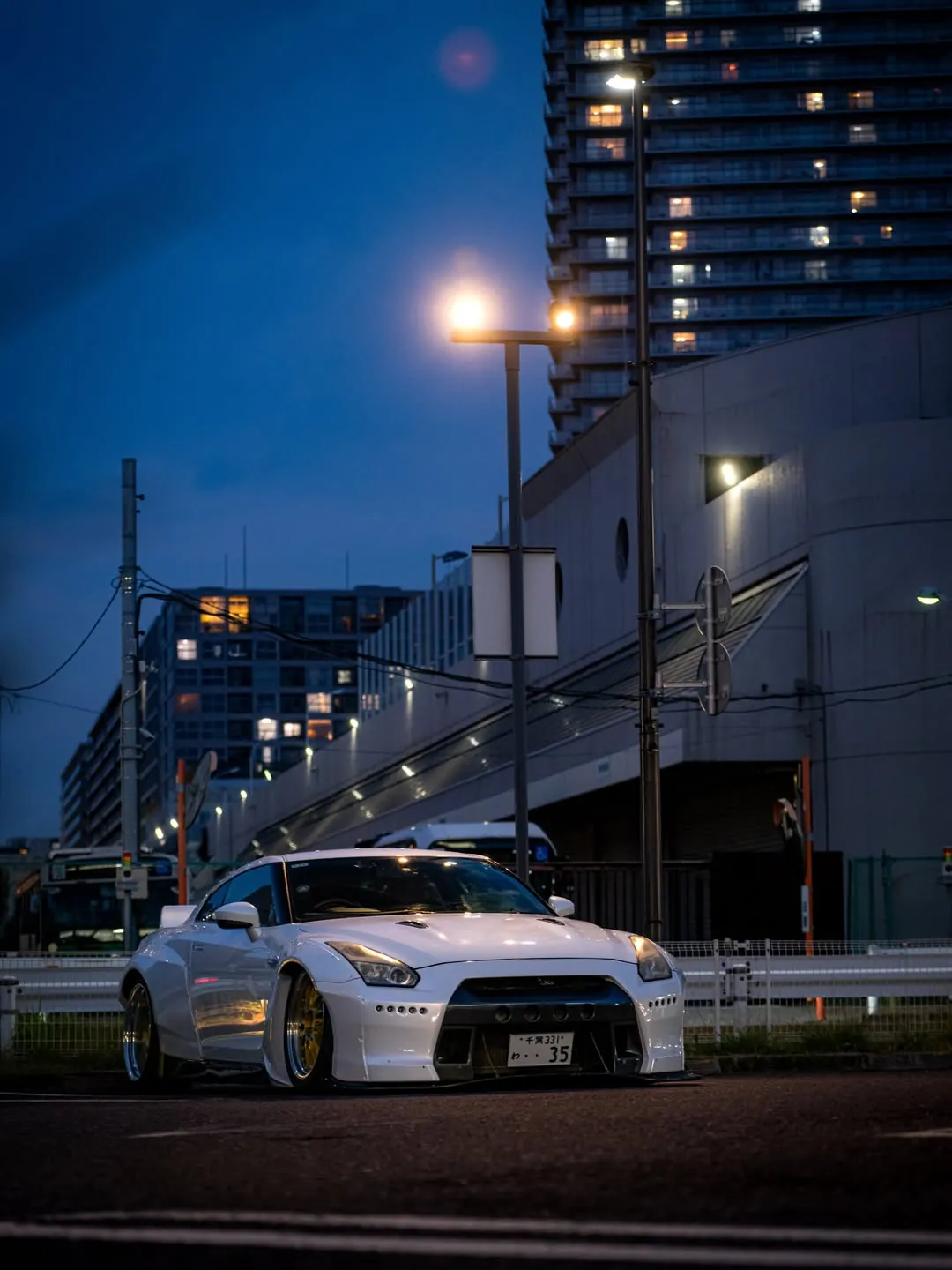
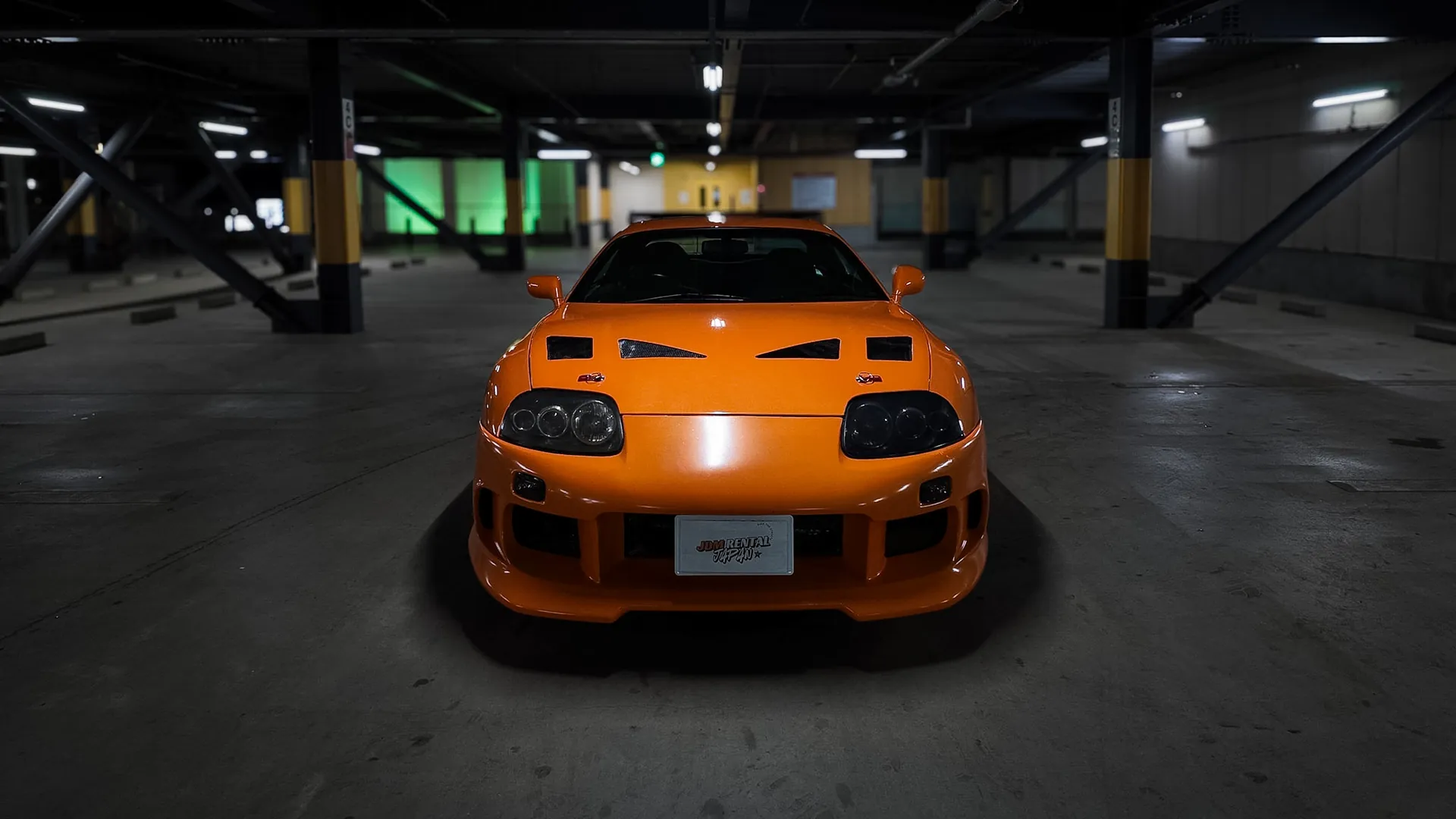
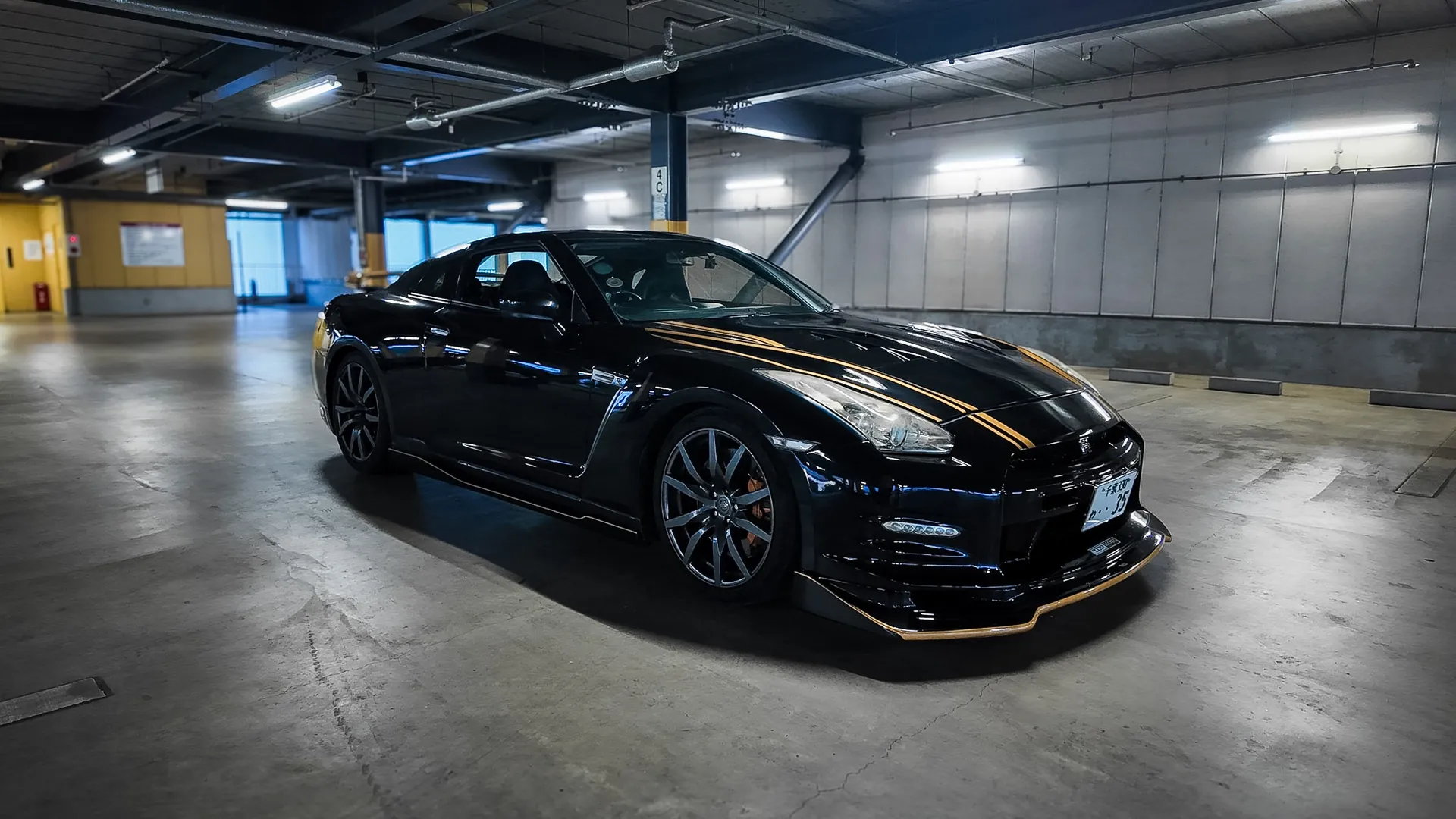
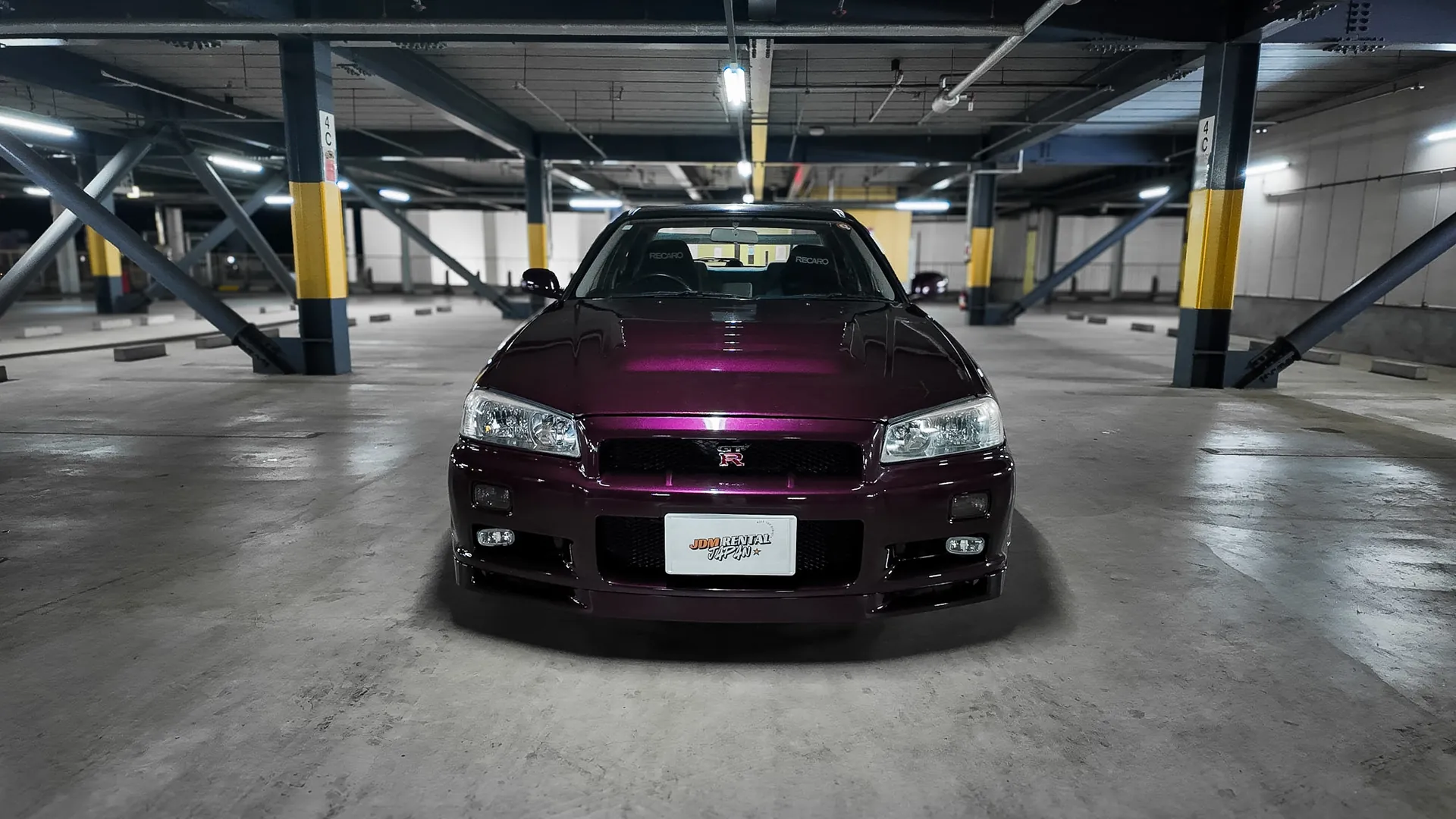
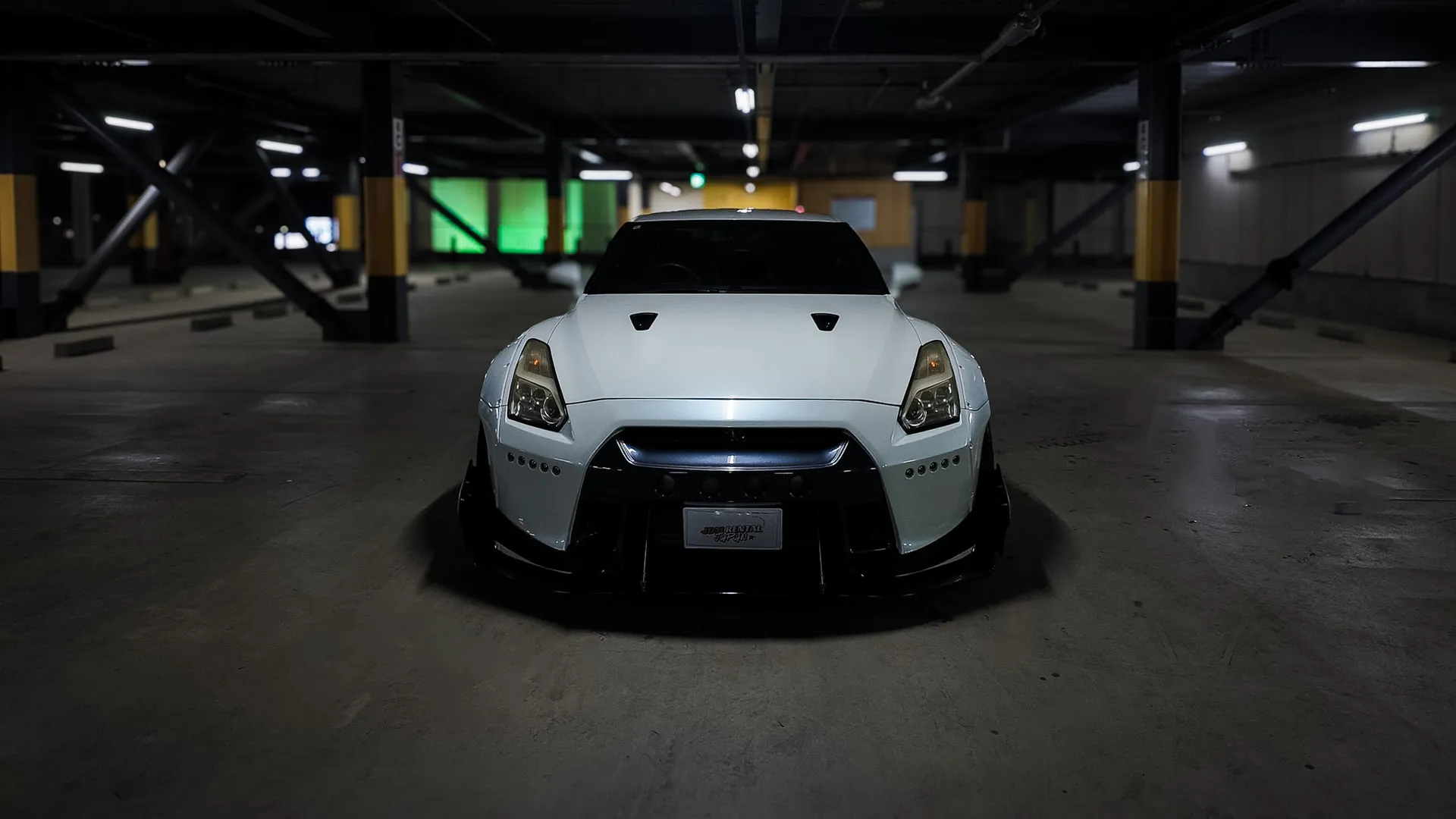
Much of the loop is driven at 50 to 80 km/h in traffic, so pick a car you can see out of and shift easily. The R34 Skylines and the A80 Supra suit the setting. In stop-and-go traffic an automatic is easier: both GT-R R35s and several of the R34s are automatics.
Photos
Good cars for this route
Model Series
- Nissan Skyline R3413 cars · from ¥14,999
- Nissan GT-R R352 cars · from ¥49,999
- Toyota Supra4 cars · from ¥22,999
Sources
- driveplaza.com (opens in a new tab) · accessed 2026-10-02
- jafmate.jp (opens in a new tab) · accessed 2026-10-02
- JDM Rental Japan · accessed 2026-10-02
- webcartop.jp (opens in a new tab) · accessed 2026-10-02
- kuruma-news.jp (opens in a new tab) · accessed 2026-10-02
- kurukura.jp (opens in a new tab) · accessed 2026-10-02
- openstreetmap.org (opens in a new tab) · accessed 2026-10-02
- en.wikipedia.org (opens in a new tab) · accessed 2026-10-02