17 September 2026 · 8 min read · Mavla
Which JDM Car Should You Rent in Japan?
If you have spent years looking at Skylines, Supras and RX-7s online, choosing a JDM car in Japan can feel simple: just rent the car you have always wanted.
In practice, it is worth thinking about the trip before the badge.
A car that is perfect for a short drive around Tokyo may not be the one you want for a full day around Mount Fuji. A manual sports car may sound ideal until you are dealing with unfamiliar roads, left-side traffic and stop-start city driving at the same time.
That is why the best JDM car to rent in Japan depends less on which model is most famous and more on what you actually want to do with it.
Your driving experience, route, passengers, luggage and transmission preference all matter.
For travelers who are still getting familiar with the term itself, our guide to what JDM means and Japanese Domestic Market cars explains the basics without getting lost in car-culture jargon.
Start with the way you actually drive
It is easy to choose a car emotionally. Most enthusiasts already have a favorite.
But renting a performance car in Japan is different from choosing one from a list of specifications.
You may be driving on the left for the first time. The indicators and controls may be on the opposite side from what you are used to. You may also be following navigation, reading unfamiliar road signs and dealing with toll roads or compact parking spaces.
That does not mean first-time visitors should avoid exciting cars. It just means the car should suit the driver.
First time driving a JDM car in Japan?
For a beginner JDM rental, familiarity helps.
If you normally drive automatic cars, an automatic JDM performance car can make the day much easier. You still get the right-hand-drive experience, the sound, the styling and the atmosphere without having to think about clutch control every time traffic slows down.
If you already drive manual cars regularly, a manual Skyline, Supra, RX-7 or Civic Type R may feel completely natural.
The important distinction is between wanting a manual and actually being comfortable with one.
A Japan trip is not the best time to learn manual driving just because a particular car looks more authentic with three pedals.
When a more serious performance car makes sense
Experienced drivers usually make their decision differently.
Instead of asking which car has the biggest number on a specification sheet, they tend to care more about how the car feels.
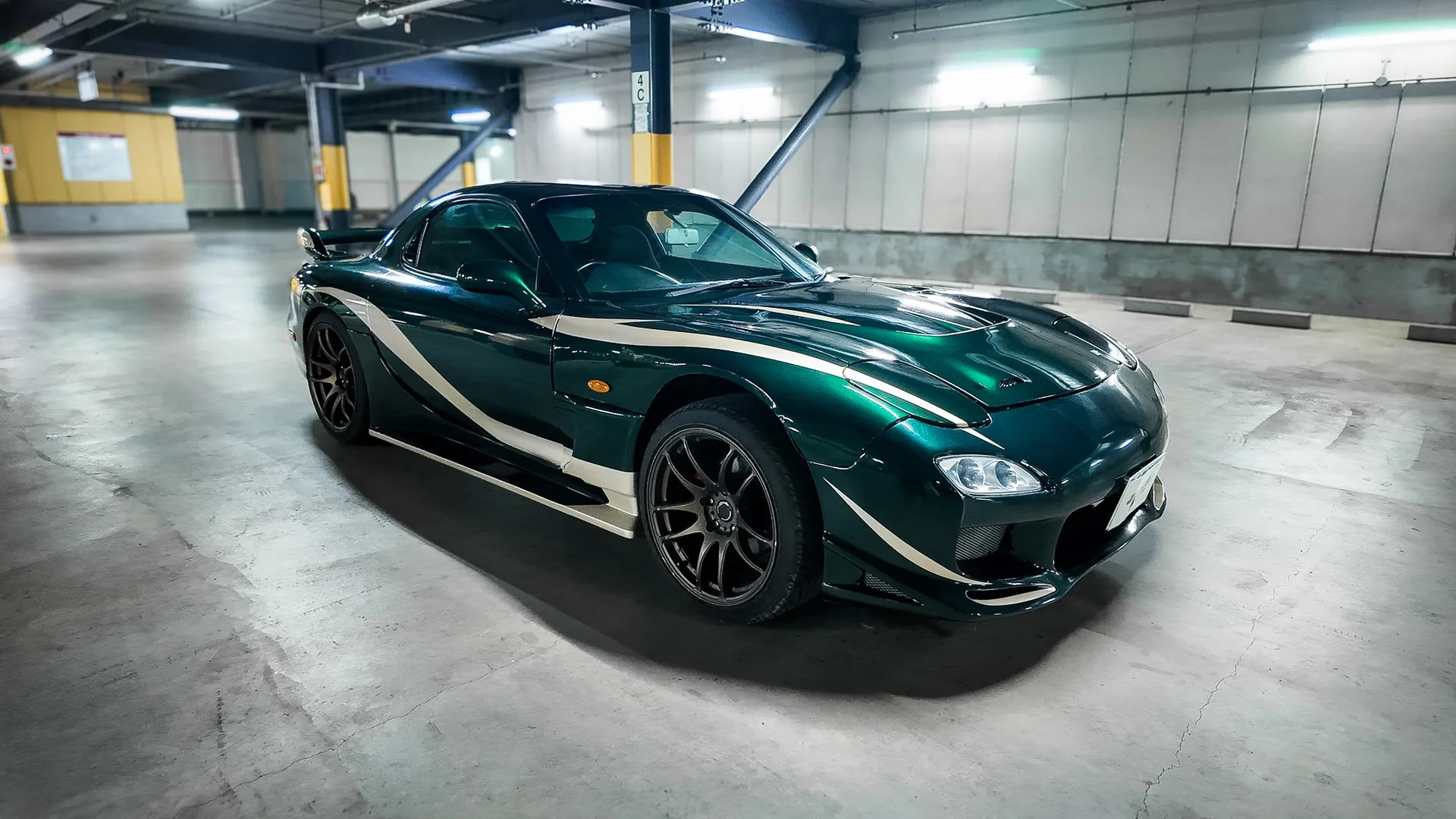
Some people want the older turbocharged character of a classic Skyline. Others want the lightweight, unusual feel of an RX-7. Some prefer the stability of an AWD performance car, while others are looking for a rear-wheel-drive coupe.
This is where your performance car choice should become personal.
The right car is the one that gives you the experience you came for.
If you want to compare what is currently available, start with the JDM rental fleet in Japan and shortlist cars based on how you plan to use them, not only on reputation.
Manual or automatic?
There is no universal answer here.
For city driving, especially around Tokyo, an automatic can make the experience more relaxed. You can focus on the road, navigation and traffic instead of constantly working the clutch.
A manual makes more sense if you already drive one confidently and part of the reason you are renting the car is the driving involvement itself.
Neither option is more “JDM” than the other.
What matters is which one lets you enjoy the car properly.
We cover that decision separately in our guide to manual vs automatic JDM car rental in Japan.
Think About Where You Are Going
The route often matters more than people expect.
A car that feels exciting during a short Tokyo rental can become tiring on a longer trip. On the other hand, a car that seems slightly more practical on paper may turn out to be much more enjoyable over several hours.
Mostly driving around Tokyo?
If most of the rental will be spent in Tokyo, outright power should not be your main concern.
City driving means traffic lights, narrow streets, parking garages and frequent stops. A car that is easy to place on the road and comfortable at low speeds can be more enjoyable than something much more aggressive.
This is where cars such as a Skyline or WRX can make a lot of sense, depending on the exact model and transmission.
You still get a genuine Japanese performance-car experience, but the car remains usable when the road is not open and flowing.
If you are visiting from overseas, our guide to driving a JDM car in Tokyo as a tourist covers the practical side of the experience in more detail.
Planning Hakone, Fuji or a longer drive?
Once you leave central Tokyo, your priorities change.
Hakone tends to appeal to drivers who want winding roads and a more involved drive.
A Mount Fuji trip is often more mixed. There may be highway driving, sightseeing stops, photography and longer periods in the car.
For a longer trip toward Izu, comfort starts to matter much more than it does on a short rental.
This is why it is difficult to name one car as the best option for every road trip.
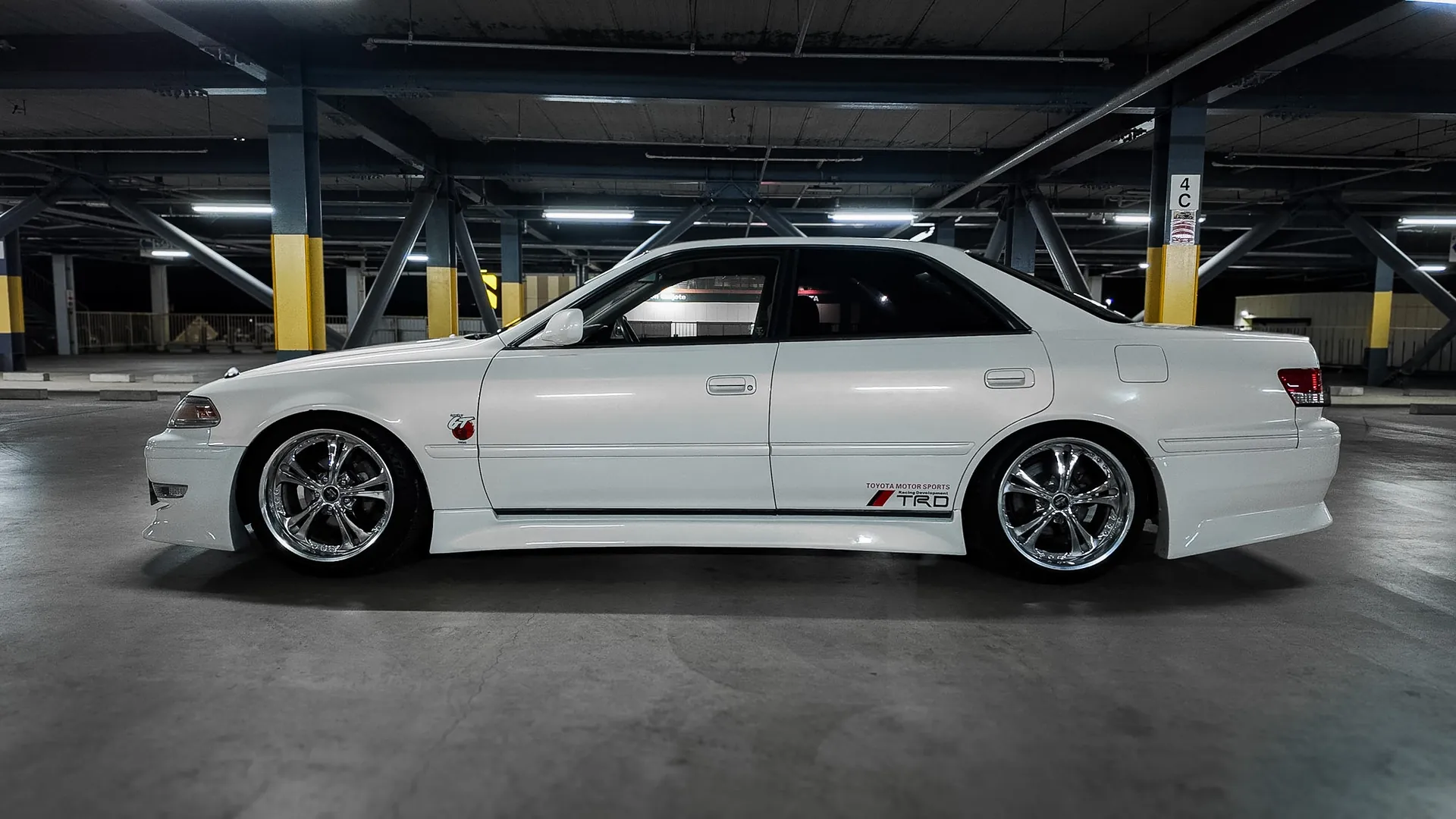
A light, engaging sports car may be great for a shorter enthusiast-focused drive. A more comfortable GT or performance sedan may make more sense if you are spending most of the day on the road.
You can plan the route first using our guide to JDM road trips from Tokyo, including Hakone, Mount Fuji and Izu, then choose the car that fits it.
Do not ignore the boring stuff
Enthusiasts naturally think about engines, transmissions and model generations.
Luggage usually comes later.
Unfortunately, luggage has a habit of becoming very important when you are standing next to a sports car with two suitcases.
If you are collecting the car directly after arriving in Japan, check the luggage space before booking. Some coupes simply are not designed for large travel bags.
The same applies to passengers.
A car may technically have four seats, but that does not mean four adults will enjoy spending several hours in it.
If the rental is part of a wider trip rather than a dedicated driving day, practicality matters more than many people expect.
That does not mean choosing a boring car. It just means choosing one you can actually use.
What type of JDM car suits you?
Rather than ranking cars from “best” to “worst,” it is more useful to think about what sort of experience you want.
| What You Want | What Usually Matters Most |
|---|---|
| First JDM experience | Easy controls, familiar transmission, manageable size |
| Classic Japanese car experience | Older chassis feel, character, iconic model |
| Scenic road trip | Comfort, reliability, luggage and easy cruising |
| Performance-focused drive | Power delivery, handling, drivetrain and driver experience |
| City rental | Visibility, size, transmission and low-speed usability |
| Trip with passengers | Rear-seat space, comfort and luggage capacity |
For first-time renters
A first JDM rental does not have to be conservative.
It just needs to be manageable.
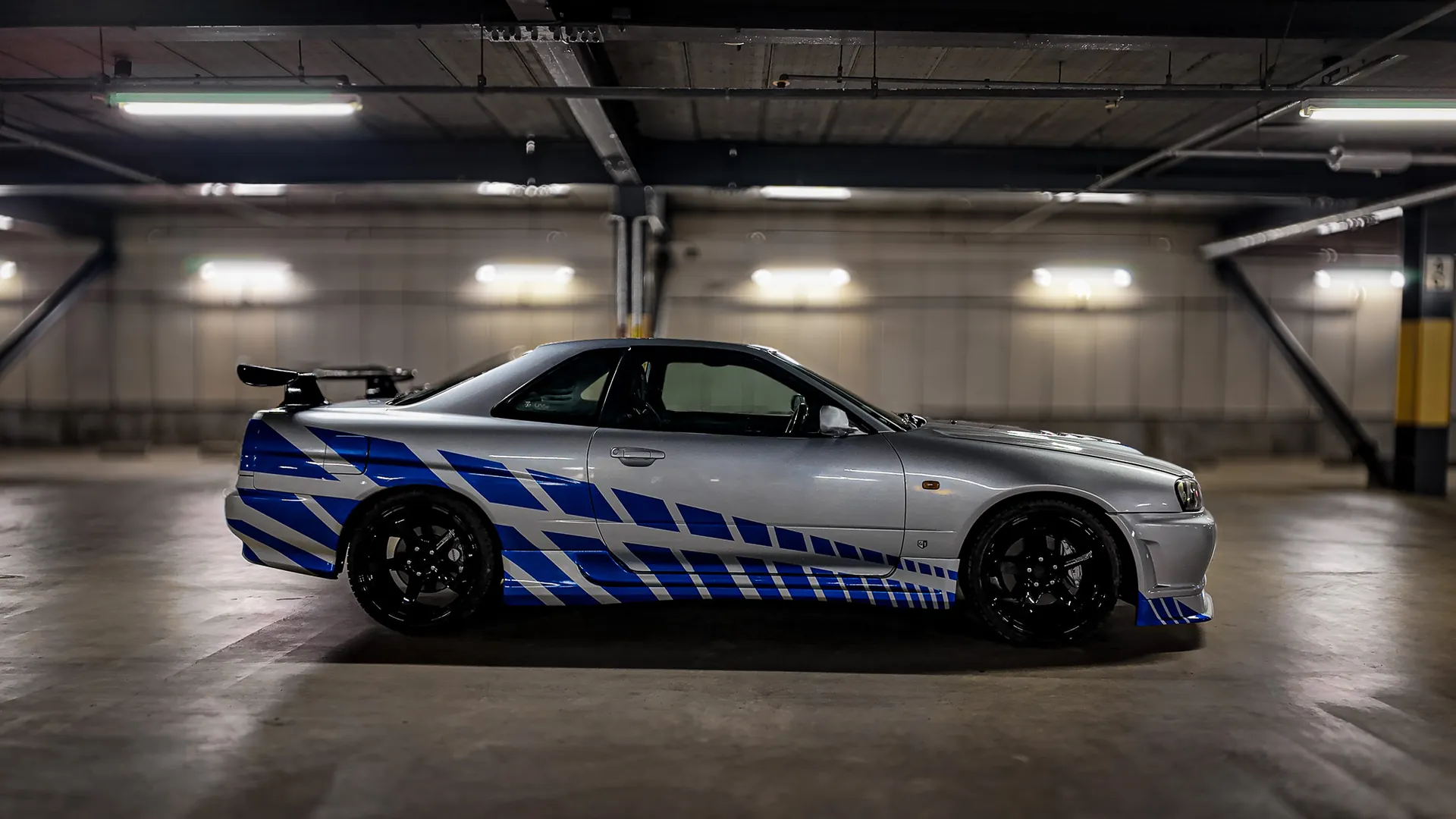
An automatic Skyline can still feel very special if you have never driven a right-hand-drive Japanese performance car before.
A WRX can be a better option if you need more usable seating.
A smaller sports car may make sense for a couple who are traveling light and want the drive itself to be part of the day.
The point is not to choose the easiest car available.
It is to avoid choosing something that distracts you from enjoying the experience.
For classic JDM fans
Some travelers already know exactly what they want.
If the goal is to experience an RX-7, older Skyline or Supra in Japan, practicality may be secondary.
That is completely reasonable.
Older JDM cars often feel more mechanical than modern performance cars. Steering can feel different, controls may require more effort and the cabin may be less refined.
For enthusiasts, those qualities are often part of the appeal.
If this is the reason for the rental, choose the car for its character rather than expecting it to behave like a modern sports coupe.
For experienced performance drivers
Drivers who already have experience with powerful cars usually have more specific preferences.
You may care about AWD traction, rear-wheel-drive balance, turbo response, engine character or the difference between an older analog-feeling car and a newer performance model.
This is where a GT-R, Supra, RX-7, Skyline, WRX or Civic Type R can all make sense for very different reasons.
There is no point choosing one simply because someone online ranked it higher.
A GT-R and an RX-7 are both exciting, but they are not trying to deliver the same experience.
Check the rental details before you get attached to one car
Once you have a shortlist, check the practical requirements before planning the entire day around one model.
Make sure your licence is valid in Japan
International visitors need the correct driving documents before renting a car in Japan.
Depending on where your licence was issued, this may mean carrying an International Driving Permit or an approved Japanese translation together with your original licence.
If there is any doubt, sort this out before you start comparing cars.
Our guide to car rental in Japan for foreigners explains the rental requirements in more detail.
Check the exact vehicle
Do not assume every version of the same model will be identical.
Check the individual car’s transmission, seating, deposit, insurance conditions, luggage space and rental requirements.
It is also worth confirming things such as fuel policy, ETC availability and additional-driver rules if they matter to your itinerary.
You can review the current JDM Rental Japan rental FAQs before booking.
A simple way to make the final choice
If you have narrowed your options to two or three cars, forget the specifications for a moment.
Think about the actual day.
Where are you picking the car up?
Where are you driving?
How long will you be in it?
Are you alone, with a partner or with friends?
Do you have luggage?
Would you enjoy driving manual in traffic, or would it become tiring?
Most importantly, what do you want to remember about the experience?
For one person, that memory might be finally driving an R34 Skyline in Japan.
For someone else, it might be taking a performance car out toward Mount Fuji and enjoying the road without worrying about the car being difficult to use.
Both are valid reasons to rent a JDM car.
So, what is the best JDM car to rent in Japan?
There is no single answer, and there probably should not be.
The best JDM car to rent in Japan is the one that suits the way you drive and the trip you are actually planning.
A first-time visitor may have a better day in an automatic Skyline or WRX.
A long-time JDM enthusiast may happily trade some comfort for the experience of driving an older RX-7 or Supra.
Someone interested in modern performance may prefer a newer Supra or GT-R.
The badge is part of the experience, but it should not be the entire decision.
Choose the car that fits your route, your confidence level and your reason for wanting to drive a JDM car in Japan in the first place.
When you are ready, you can compare the JDM cars currently available to rent in Japan and choose the one that makes the most sense for your trip.
Frequently asked questions
What is the best JDM car to rent in Japan for a first-time driver?
There is no single best model for every beginner. A car with a familiar transmission, predictable controls and enough practicality for your route is usually a better starting point than simply choosing the most powerful option.
Is a Skyline good for a first JDM rental?
It can be, depending on the exact car and transmission. A more manageable Skyline configuration can offer the JDM experience many visitors want without necessarily being difficult to use in everyday driving.
Should I rent a manual JDM car in Japan?
Rent a manual if you already drive manual cars confidently and want the extra involvement. If you are not comfortable with manual driving, an automatic is usually a better choice for unfamiliar Japanese roads.
Is a Supra better than an RX-7 for a Japan trip?
Neither is universally better. They offer different experiences. The better choice depends on the specific model, your experience, route, transmission preference and what you want from the drive.
Which JDM car is suitable for a Mount Fuji road trip?
For a Fuji trip, comfort, highway usability and overall driving ease can matter as much as performance. The best option will depend on passenger count, luggage and how much of the day you plan to spend behind the wheel.
What should I check before renting a JDM car in Japan?
Check your driving documents, the specific car’s transmission, seating, luggage capacity, deposit, insurance conditions, fuel requirements and any model-specific rental rules before confirming the booking.